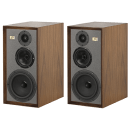
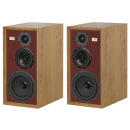
 Walnut
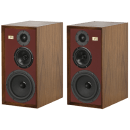
 Walnut Red
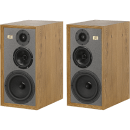
 Oak
Oak
 Oak Red
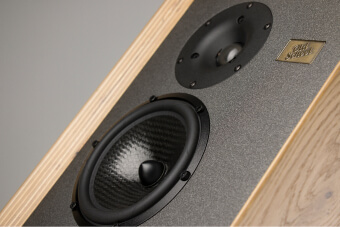
Old School On Air’s heritage counts back to the first bookshelf Studio speakers under the Old School brand. This three-way studio monitor bears a resemblance to the classic designs of vintage British monitor speakers used at radio stations; hence the name “On Air”.
Cabinet is made of specially selected materials and thoroughly damped for low internal reflections and resonance. Top, bottom and side panels of the cabinet enclosure are made of plywood while front and back are made from multilayer soundless material called Aphonic-pro. Braced cabinet is filled with foam, internal walls are lined with sheets of bitumen.
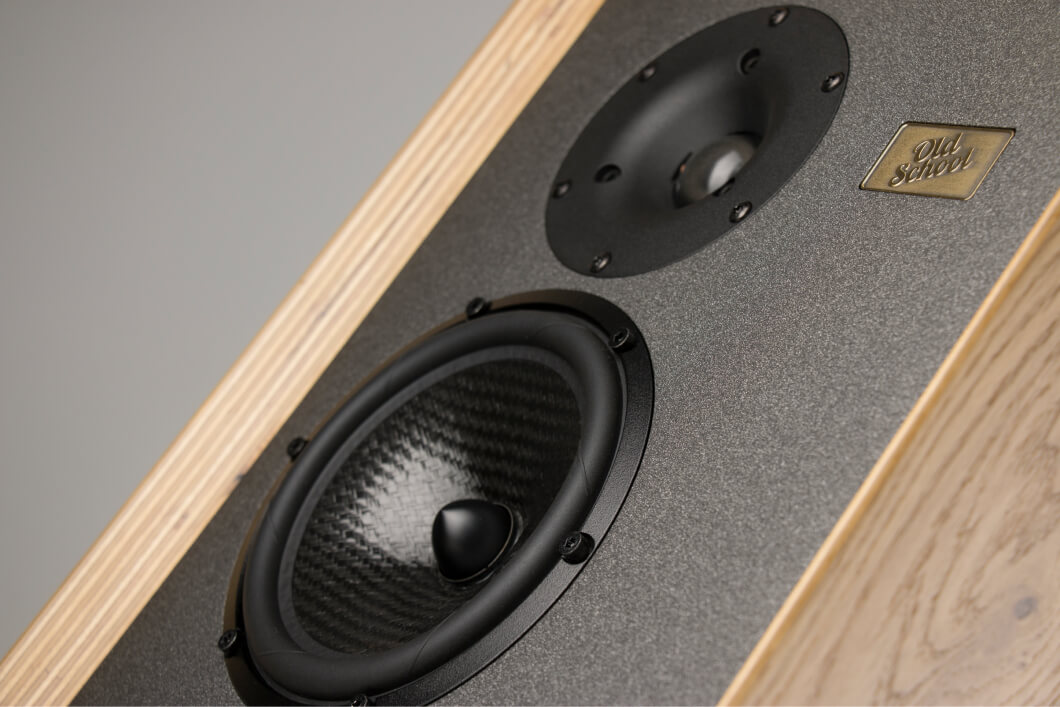
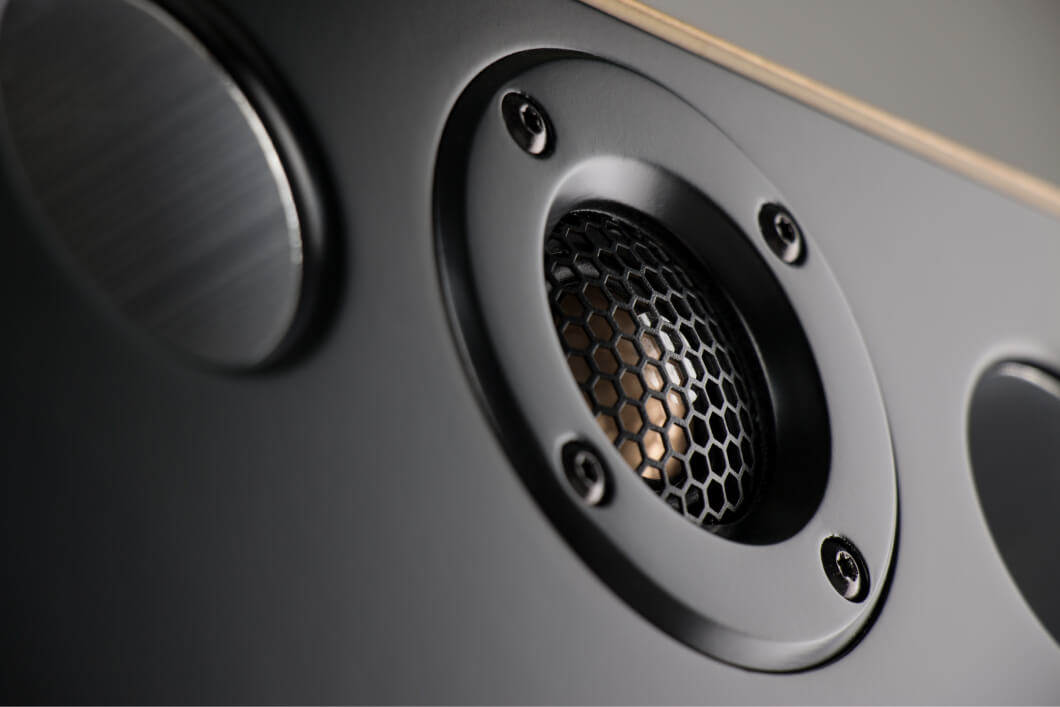
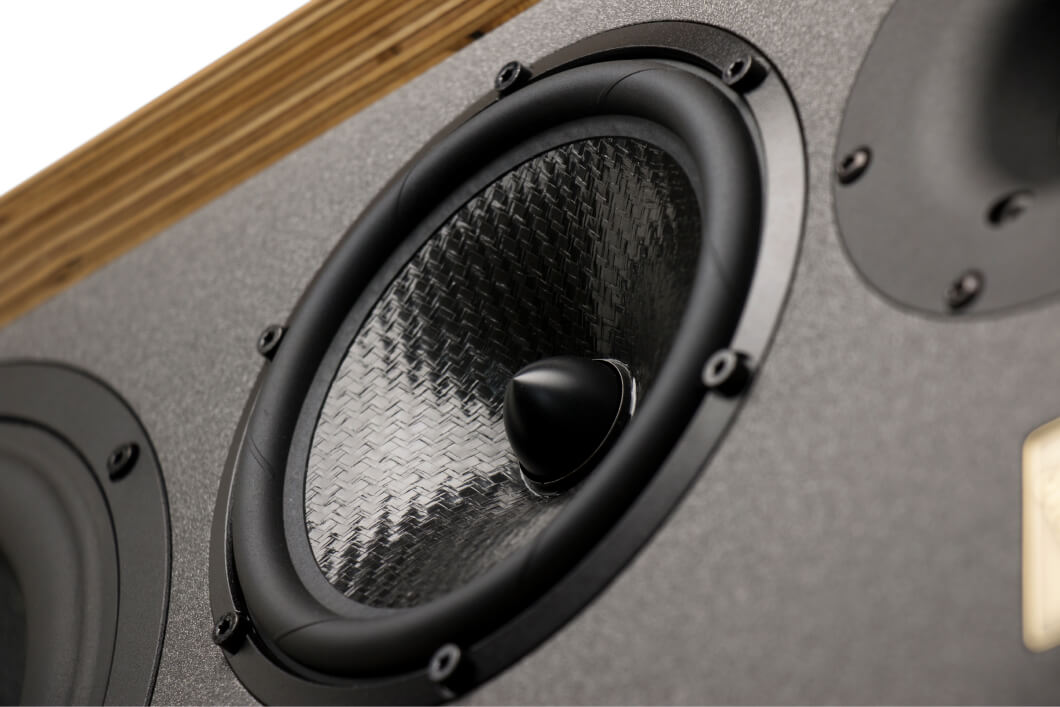
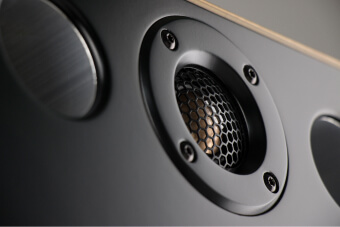
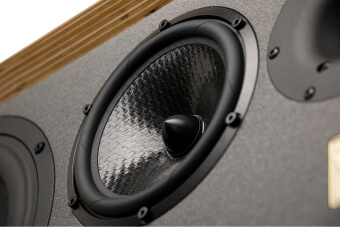
30mm soft dome tweeter on the front panel is custom made according to our specifications and features the Acuflex technology. Fabric dome is impregnated with specially engineered damping compound responsible for compensating distortions caused by break-up modes. Tweeter is recessed into the small horn waveguide accounting for better dispersion. Custom made 5-inch midrange driver is equipped with phase plug and CURV polypropylene cone. Made of specifically woven synthetic fibers, extremely light and rigid CURV ensures better damping. 8-inch bass woofer is tailor-made as well. Transducer powered by the Balanced Drive technology produces electromagnetic force symmetrically affecting the voice coil which helps reducing even order harmonics distortion.
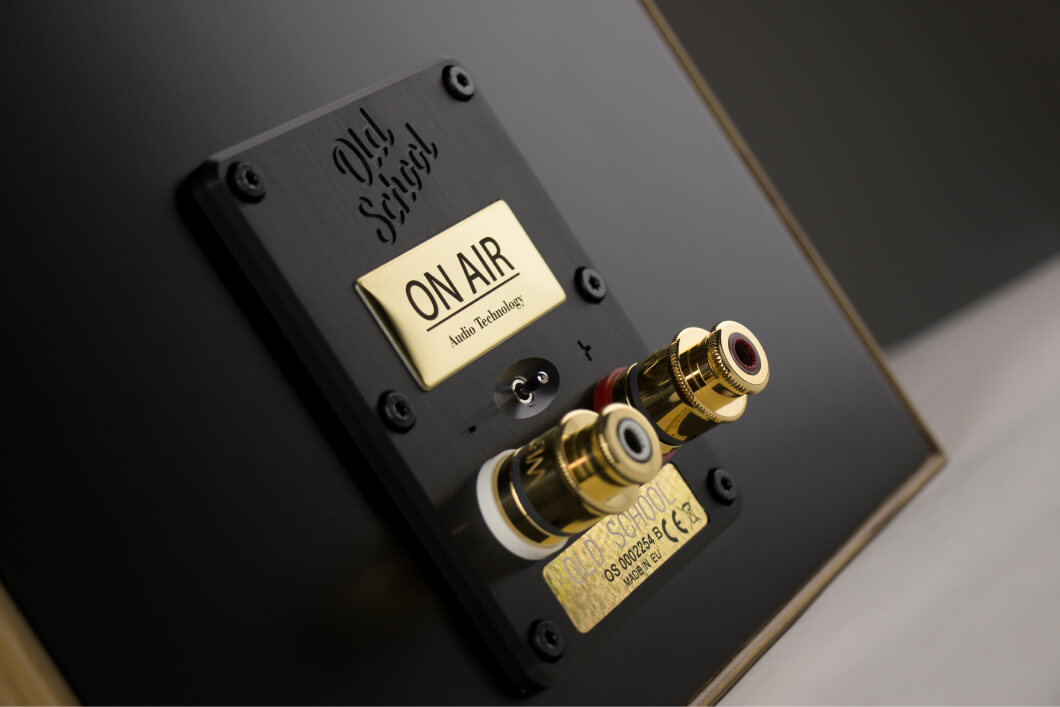
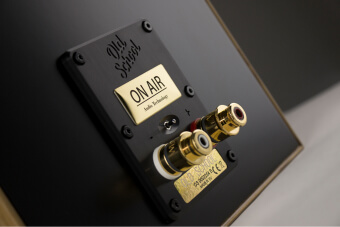
Filter circuits are made of High End components including wirewound non-inductive resistors with bifilar winding and polypropylene capacitors. Manually made crossover cabling via point-to-point wiring uses single-core copper wires. Speaker cable binding posts feature sockets WBT nextgen 0705 CU. Low Mass technology (with minimum mass of the conductive part) ensures shortest possible signal path.
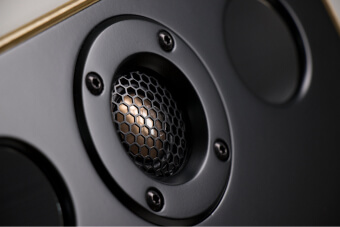
Additional 25mm tweeter is positioned on the rear panel. It helps creating spacious, widely dispersed and tangible stereo soundstage, as well as expanded radiation pattern. Rear tweeter’s mechanical three-position phase switch (in phase, out of phase, off) allows for adding and subtracting reflections which helps achieving better sound in both resonant and damped rooms. Using this switch you can control stereo imaging and adjust the reproduction to the specific characteristics of listening room.
-
Design3-wayDrivers4CabinetPorted with two backward-firing reflex portsWeight22,7 kgRecommended amplifier power25 to 150 W
-
Midrange driverCustom 127mm driver with light, stiff and rigid woven polypropylene CURV cone and phase plugBass driver203mm custom woofer with phase plugFrequency range40 Hz – 20 kHz @ -3dB, 28 Hz – 22 kHz @ -10dBDimensions (WHD)270 x 540 x 390 mm (without binding posts), 270 x 540 x 425 mm (including posts)
-
Nominal impedance8 OhmSensitivity87dB @ 2.83W/mTweetersFront: 30mm custom tweeter with soft dome made of impregnated fabric, equipped with shallow horn waveguide; back: 25mm tweeterInput connections2 binding posts WBT nextgen 0705 CU
- Three-way bookshelf speaker with additional 25mm rear tweeter
- Cabinet made of plywood and Aphonic-pro sandwich
- Tweeter featuring Acuflex technology
- Midrange driver with woven CURV cone
- 8-inch woofer featuring Balanced Drive technology
- High End grade crossover
- WBT nextgen 0705 CU binding posts with Low Mass technology